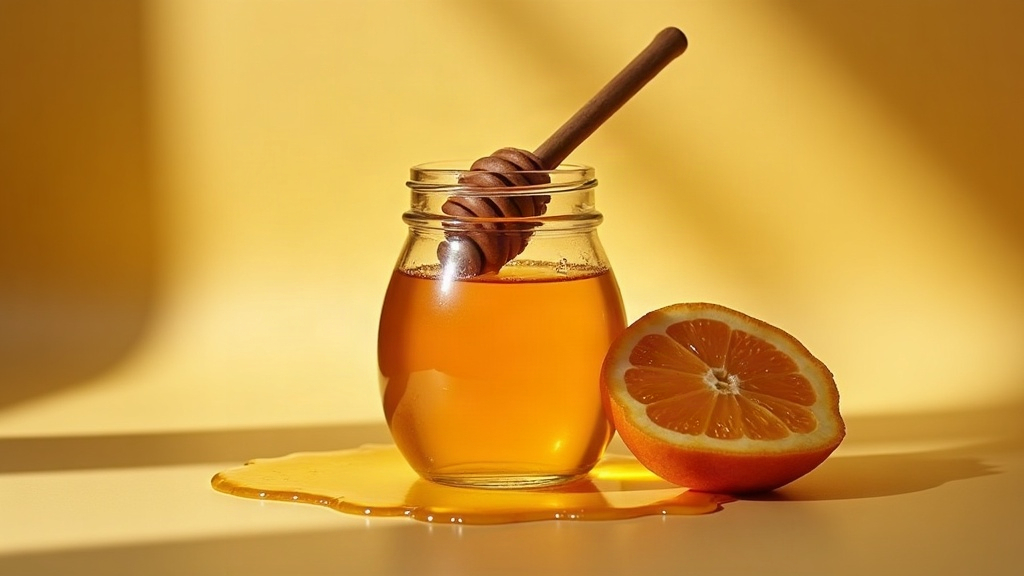
Stick with us for a few minutes. We’re not selling a miracle. We’re looking at why honey keeps appearing in kitchens, folklore, and daily routines built around aging well — and what that might mean for you, at 50 and beyond.
You’re not imagining it. A lot changes quietly with age — and honey, oddly enough, keeps coming up in the conversation about daily habits people build around it.
Days move differently after 50. Routines shift, and so does how sharp we feel hour to hour.
Rest patterns change with age. Many people notice their mind feels foggier after a rough night.
What we eat, drink, and do every day quietly shapes how we feel — little things, repeated for years.
Long before modern routines, people leaned on simple staples — honey among them — as part of daily life.
There’s a lot of noise out there. Let’s separate what’s commonly said from what’s actually reasonable to believe.
Memory changes are the same for everyone.
Every person’s daily habits, sleep, and routines are different — and so is their experience.
Natural ingredients like honey are just old wives’ tales.
Many traditional staples are still studied today, even if science hasn’t settled every question.
There’s nothing you can look into once you hit 50.
Plenty of people stay curious about daily habits and routines well into their 60s, 70s, and beyond.
This isn’t a complicated program. It’s a way of thinking about three small parts of your day.
Start by paying attention to when your mind feels clearest — and when it doesn’t.
Sleep, meals, and small daily rituals often connect more than people expect.
Some people look at simple, traditional ingredients — like honey — as part of a daily rhythm worth understanding.
Honey has been part of daily life for thousands of years, long before modern routines existed. Different cultures wove it into meals, remedies, and rituals — not as a cure, but as a staple. Researchers today still study honey’s composition out of curiosity about traditional practices. This page doesn’t claim honey treats or reverses anything. It simply looks at why this old staple keeps showing up in conversations about aging, routine, and daily habits.
The interesting part isn’t the honey itself — it’s that people have leaned on simple, consistent staples for centuries, long before anyone had a name for ‘brain health.’
Keys, glasses, phone — losing track of small things now and then is common, but a pattern is worth noticing.
Pausing mid-sentence to search for a word happens to everyone occasionally. Frequent pauses deserve attention.
A rough night affecting your whole next day is a signal your routine might need a second look.
Drifting mid-conversation and forgetting the topic is something many people notice more with age.
An energy dip that hits your focus, not just your body, is worth paying attention to.
Asking something twice in a short conversation is common — but tracking how often it happens matters.
These are individual experiences shared for illustrative purposes. Names have been changed. Results and opinions vary from person to person, and none of these statements are a guarantee of any outcome.
This page discusses a video presentation about traditional habits and honey. It’s for educational purposes and doesn’t diagnose, treat, or cure anything.
We don’t make that claim. This content looks at why honey has a long history in daily routines — nothing more.
Always speak with a qualified healthcare professional before changing your diet or routine, especially if you have an existing condition.
It’s a short presentation designed to walk through the ideas at a comfortable pace.
No. The video itself is free to watch.
The video references traditional practices and general interest in honey as a staple ingredient. It is not a substitute for medical advice or peer-reviewed treatment claims.
Adults 50 and older who are curious about daily routines, traditional habits, and staying engaged with their everyday habits.
You’ve read this far — might as well see the rest. The video walks through the full story behind honey’s place in daily routines, at your own pace.
Advertising Disclosure: This is sponsored content created for advertising purposes. This page may contain affiliate links, meaning we may receive compensation if you make a purchase after clicking through to a third-party website. This helps support the content on this site at no additional cost to you.
Content Disclaimer: The information provided on this page is for educational and informational purposes only. It has not been evaluated by the FDA and is not intended to diagnose, treat, cure, or prevent any disease or medical condition. Always consult a qualified healthcare professional before making changes to your diet, supplement routine, or health regimen.
Results Disclaimer: Individual results vary. Testimonials and statements shared on this page reflect personal experiences and are not a guarantee, promise, or representation of results that any other person will achieve. Always speak with a healthcare professional regarding your specific circumstances.
© 2026 · All Rights Reserved · Questions? Visit /contact/